One should remember that the quality of any food brand depends on the quality of its ingredients. Even the most beautiful packaging and best Instagram page will not save a business from disgruntled customers if the company’s taste or other qualities are unstable. That is why choosing an organic bulk ingredients supplier online is a very important task for any business. There are many resources offering such products, but not all of them are good. This article will give the necessary tips for selecting reliable suppliers and explain what to ask them during the cooperation.
What Is an Organic Bulk Ingredients Supplier?
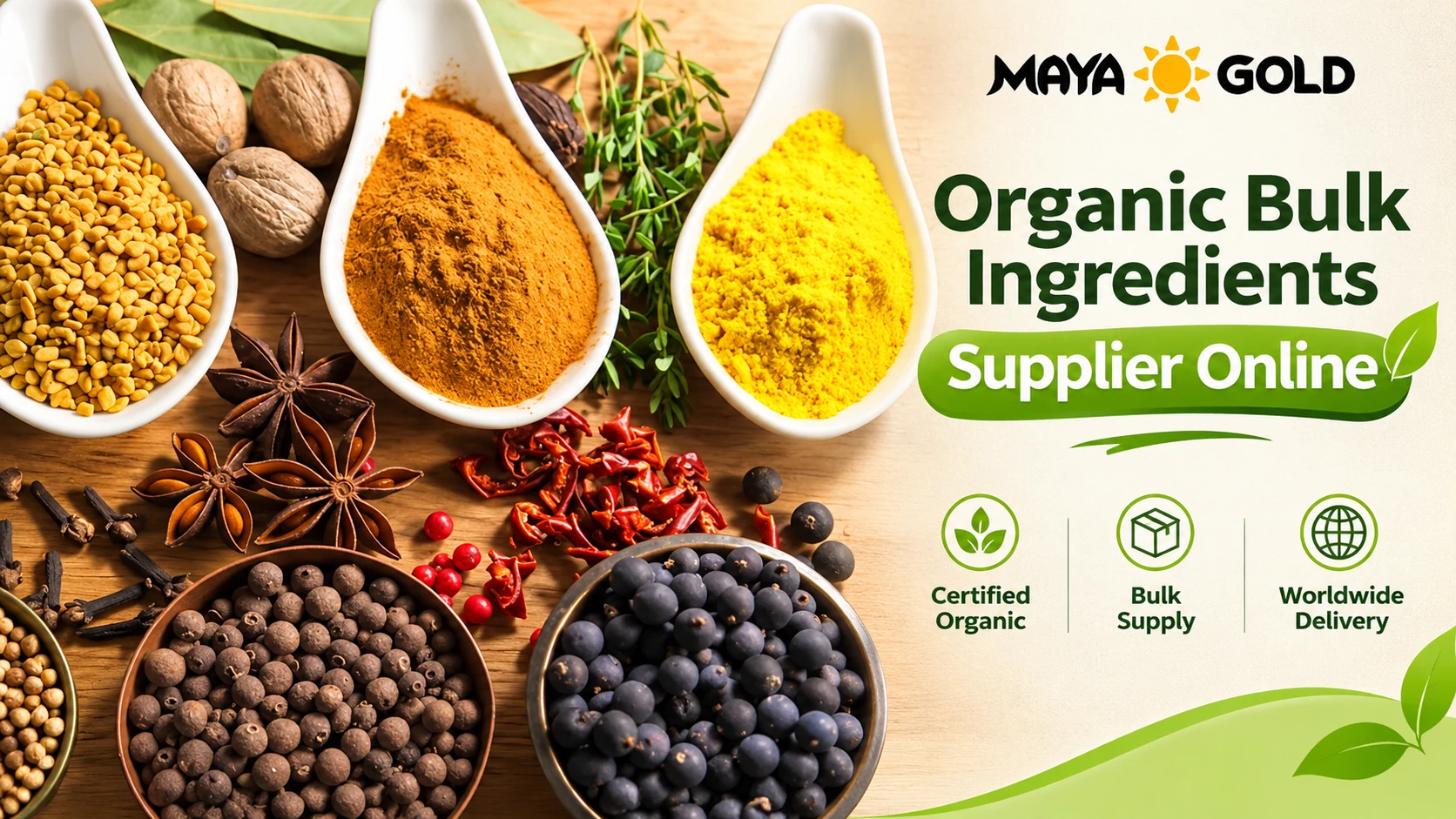
A simple definition is that an organic bulk ingredients supplier supplies ingredients that are certified organic with no chemical fertilizers, pesticides, or other chemicals used in their production. Such a supplier offers products in bulk to manufacturers and other organizations rather than to individual consumers. The products offered are organic grains, legumes, flours, spices, and various other products like seeds, sweeteners, dried fruits, and oils. The buyer purchases in bulk, in bags, drums, cartons, and other containers, and pays less for a unit of measurement than one would buy in retail.
The term organic usually refers to food production and farming practices, where a product is produced without the use of inorganic pesticides and fertilizers. However, sometimes the producer handles the processing of the food products as well. A certified organic product has received approval from a reputable certification organization. A supplier can also be a trading company that connects producers and buyers, eliminating the need to find several partners.
Why Buy Food Ingredients in Bulk? (Spoiler: It’s Not Just About Saving Money)
Bulk buying is a little makeover for your business operations. This is what you’ll receive:
- Better unit cost: The larger the quantity, the better the price and the higher the margin.
- Consistent batches: Same lot, same taste, every time. Your regulars will appreciate it!
- Less admin: Orders, invoices, ‘where is my delivery?’ calls, all cut down.
- More improved planning: You will not run out in the middle of production due to a lack of stock.
- Less packaging waste: fewer small packs, less waste.
One disclaimer: bulking only works if the ingredients can be properly stored and utilized before they expire. An investment of 500 kg of product that perishes in 3 months is not a flex.
How to Choose a Wholesale Food Ingredients Supplier
Not all suppliers are created equal. Include these checks to distinguish between the safe and risky ones.
Ask for Receipts (Certifications)
If you inquire, a true supplier will willingly provide food safety certificates, lab test results and organic certifications. If they are general or they avoid the question, then they are not right for you.
Don’t Stop at the Sample
A good sample is not worth anything if the bulk delivery isn’t. What do they use to grade products, what quality checks do they perform and what do they do if the shipment doesn’t meet the accepted sample.
Identify the origin of the food. Learn where food comes from.
Quality suppliers will be able to inform you on the region, harvest season and how the product is being treated before it reaches you. If customers are interested in the origin and sourcing for ethical reasons, the need for traceability becomes even more important – and that is a lot of customers these days.
Learn how to research and compare prices like a pro.
The least expensive quote isn’t necessarily the best. See the big picture: price, minimum order quantity, shipping costs, taxes and terms of payment. If the cost of organic vegetables and fruits seems too cheap to be true, it is!
Verify Stock & Lead Times
Inquire if they can provide you with your volume throughout the year, not just once. Determine their normal order lead time and what they do when they have shortages. Any supplier that runs out in your most hectic month will cost you more than any discount will save.
Pay Attention to Packaging
Quality is safeguarded by good packaging. Consider the moisture-resistant, food-grade packaging, the storage space required, and the pack sizes available. A 25 kg sack will be appropriate for a small kitchen, and a 1 tonne order will be appropriate for a manufacturer.
Test consistency and reliability. Test consistency and reliability.
Consistency is matching order 10 and order 1 with the same colour, texture, smell, and moisture. Reliability is being there on time and making things clear when things go wrong. Take a trial order to start with, test them out, and then pay for them in the long term.
How to Find a Reliable Bulk Food Ingredients Supplier
Reliability is evident in the little things. Are they responsive and answer questions quickly and accurately? Are they attentive and respond promptly and correctly to questions? Are the pricing model clear? Do they have other business customers‘ references or referrals? Is it a company with a verified address and registered?
In addition, observe their reaction to problems. Ask them about their return/exchange policies.
If they can explain that answer, it means they have seen it before.
How to Select a Good Wholesale Food Ingredients Supplier for Businesses?
Screenshot this checklist:
- Certified organic and food safety (FS).
- Provide product specifications and laboratory reports.
- No hidden fees or hidden costs!
- Minimums are flexible.MOQ is adjustable.
- Very precise information on availability and delivery dates
- Food-grade, secure packaging
- Responsive customer support
- Willingness to give samples and trial orders
- Red flags: Lack of paper, pressure to pay everything upfront, unnaturally low rates, no physical address, slow or confusing responses.
- Organic bulk food ingredients are available in many states online. Many states sell organic bulk food ingredients online.
- There are three primary options:
- Direct supplier websites: Best for a long-term relationship with a supplier; they offer direct access to pricing, specs, and support.
- Online auction sites: They are great to help you compare numerous sellers in one go, but quality isn’t consistent, so check out each seller.
- Trading companies: They get their ingredients from several farms and processors, which is very convenient if you are looking for several ingredients or ingredients that come from several sources.
This is where Maya Gold Trading comes in. They deal with bulk food ingredients and wholesale food ingredients so that you don’t have to deal with a dozen vendors. Nevertheless, whichever you choose, go through the same checklist listed above. Whichever route you pick, order samples, verify credentials, and start small before scaling.
Before you place that initial order
Make sure you have specific requirements locked in: grade, size, moisture content, and package.
- Obtain three or more quotes.
- Check storage requirements and expiration dates.
- Ensure all the above is in writing: Price, quantity, delivery date, and quality standards.
Get back to them after the first few orders and if they fail to meet expectations, don’t be afraid to make a change.
Final Thoughts
A good supplier will not only provide your product, but will keep your quality requirements, production, and growth in mind. Don’t be in a rush to ask the tough questions; don’t accept promises; ask for facts and figures. The choice of a reputable organic bulk ingredients supplier will involve four factors: certification, quality, transparency and availability, and consistency. If all these conditions apply in the long run, it may be a worthwhile investment to work with a genuine wholesale food ingredients supplier, such as Maya-Goldhandel.